The Productivity Blueprint: Goals, Time & Daily Routines

The Ultimate Productivity Blueprint: a clear system for goals, time, and routines
Big goals usually don’t fail because you “didn’t want it enough.” They stall when priorities stay fuzzy, your days get overfilled, and your routines collapse the moment real life shows up. Our team built The Ultimate Productivity Blueprint | Digital Productivity Guide for Goal Setting, Time Management & Daily Routines to give you structure without burnout: set goals you can actually finish, plan time with intention, and run daily routines that still work on busy weeks.
What this blueprint is designed to do (and what it avoids)
- Turns “I want to be more productive” into a workable system: goals → plans → daily actions → reviews.
- Focuses on repeatable routines instead of one-time motivation bursts.
- Balances structure with flexibility so a disrupted day doesn’t derail the week.
- Avoids overcomplicated frameworks that require constant upkeep; the aim is a simple loop that stays useful.
This matters because overloaded systems become another source of stress—something the American Psychological Association notes can affect both body and mind. Our goal is the opposite: clarity, calmer execution, and steady progress.
Core building blocks inside the guide
- Goal setting that connects long-term outcomes to short weekly milestones and daily “next actions.”
- Time management practices that protect focused work time and reduce reactive task switching.
- Daily routines that create reliable triggers for planning, deep work, breaks, and shutdown.
- A lightweight review rhythm (daily and weekly) to keep priorities current without rewriting everything.
- Practical prompts for deciding what to do first when everything feels urgent.
If you’ve read time management advice and still felt stuck, you’re not alone—effective guidance often comes down to choosing a few high-leverage behaviors and repeating them. (For a strong overview of time management approaches, see Harvard Business Review’s time management collection.)
A 7-day setup that gets the system running fast
The fastest way to become “organized” is to stop organizing and start operating. This short rollout prevents endless setup. Keep each day’s work to 20–40 minutes; if you miss a day, continue with the next step—consistency beats perfection.
7-Day Productivity Blueprint Rollout
| Day | Focus | What to do | What you’ll have by the end |
|---|---|---|---|
| 1 | Clarify outcomes | Pick 1–3 goals for the next 30–90 days; define what “done” looks like | Goals with clear finish lines |
| 2 | Break goals down | Turn each goal into milestones and a short list of next actions | Actionable steps instead of vague intentions |
| 3 | Time map the week | Identify fixed commitments; choose 3–5 focus blocks to protect | A week plan that matches reality |
| 4 | Daily planning routine | Create a 10-minute morning plan and a 10-minute end-of-day reset | A simple daily loop that reduces drift |
| 5 | Prioritization rule | Decide a single “daily win” and 2–3 support tasks; set a stop time | A realistic daily task ceiling |
| 6 | Distraction boundaries | Add 1–2 boundaries (notifications, batch checking messages, focus mode) | Cleaner focus blocks with fewer interruptions |
| 7 | Weekly review | Review what moved; choose next week’s outcomes; schedule focus blocks first | A maintenance rhythm that keeps progress steady |
Goal setting that stays measurable, not motivational
- Use outcome-based goals: define the finish line first (deliverable, number, deadline, or observable result).
- Add a “why it matters” line to reduce mid-week drop-off when energy dips.
- Translate each goal into a weekly target that can be scheduled (not just wished for).
- Keep a short “not now” list to protect focus and reduce guilt-driven multitasking.
- When goals compete, choose the one that best supports the current season (workload, health, family, studies).
One practical rule our team uses: if you can’t schedule it, it isn’t a plan yet. A goal becomes real when you can point to the next action and the next time it will happen.
Time management that protects deep work and prevents overload
If you want a simple habit-friendly lens for making routines stick, the cue-and-response approach popularized in Atomic Habits concepts fits perfectly here: you’re not relying on willpower—you’re building triggers that make the next right step easier.
Daily routines that make progress automatic
Pair it with the tools already in daily life
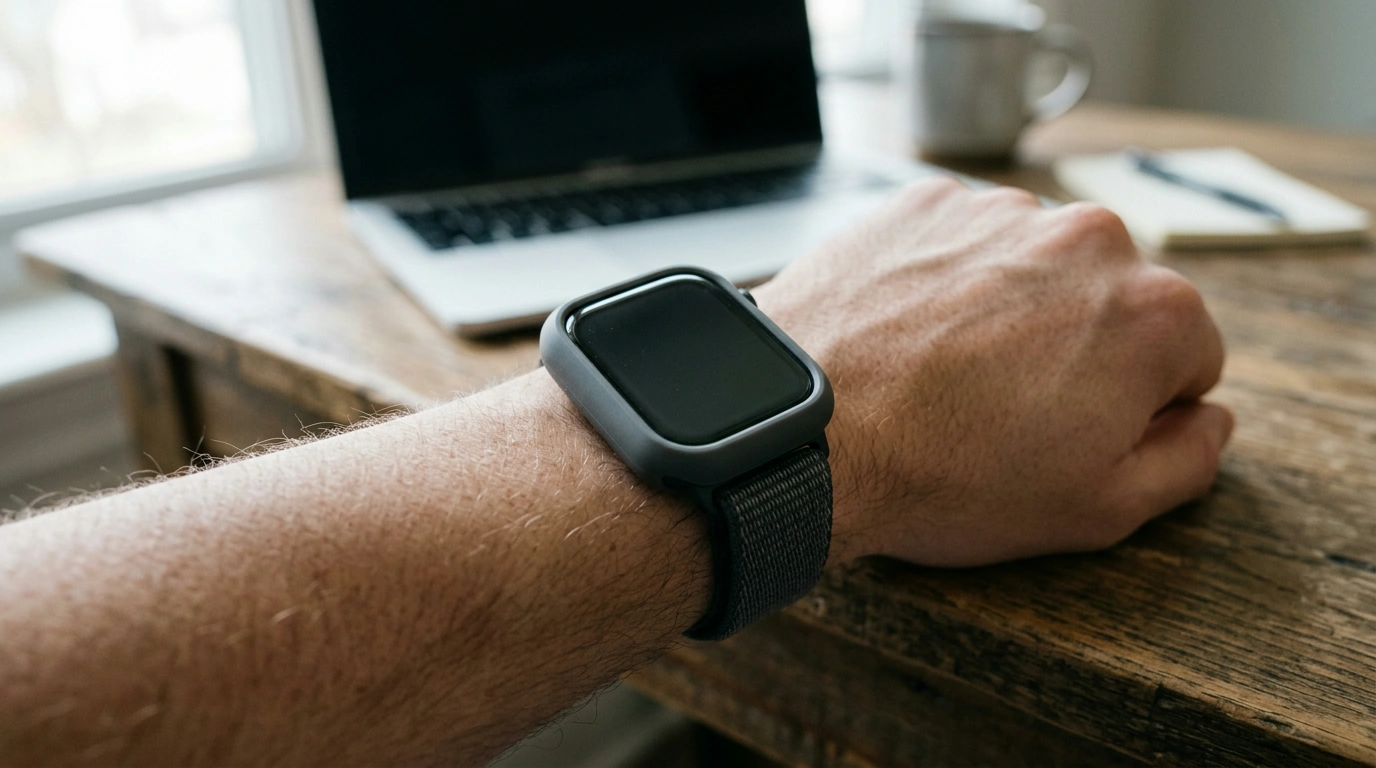
- Apple Watch Nylon Trail Loop Strap for comfortable all-day wear during focus blocks and walk breaks.
- Punk Apple Watch Strap with Natural Stones & Beaded Boho Design if you want a more expressive look while still keeping timers and reminders close.
And if you want the full step-by-step system in one place, start with The Ultimate Productivity Blueprint and run the 7-day rollout once—then repeat the weekly review rhythm going forward.
FAQ
Is this productivity guide beginner-friendly?
Yes. We designed it to be simple to start, with a fast setup and repeatable routines that don’t require constant tweaking. If you’ve tried other systems and couldn’t maintain them, the blueprint’s “small loop” approach is built to stay usable.
How quickly can results show up?
Most people notice more clarity and calmer days within the first week once they’re using a daily plan, protected focus blocks, and a short review. Bigger goal progress usually becomes obvious over several weeks as milestones stack up.
Does it work with a busy schedule and interruptions?
Yes. The system bakes in buffer time, flexible time blocks, and a prioritization rule so you can keep moving even when the day changes. When a week gets messy, the daily and weekly reviews help you reset without starting over.











Leave a comment